A Promise I Made as a Child
When I asked online for suggestions for themes for my Dharma talks, several people said they would like a talk that is easy for children to understand. So this month, I would like to try writing something that can be understood by both children and adults.
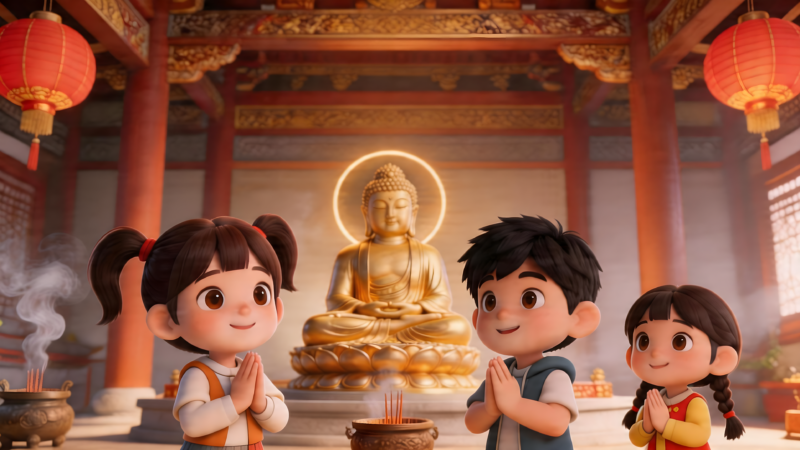
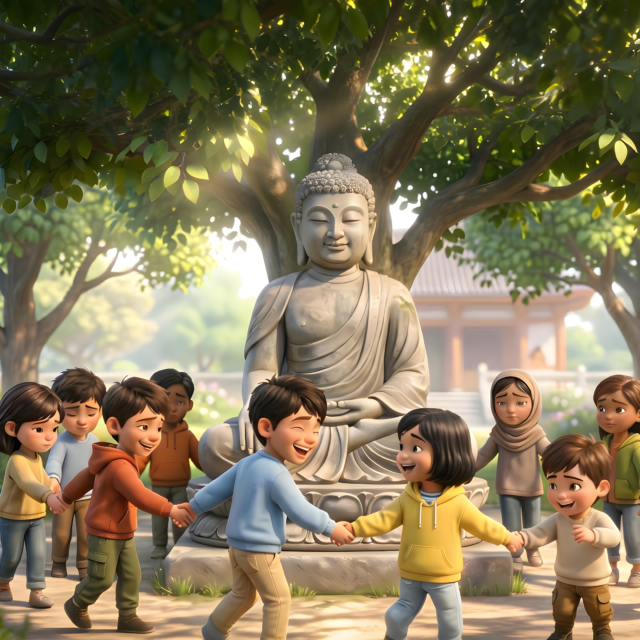
When I was in elementary school, I once took part in a two-night, three-day summer camp held at a temple, where children from the local area gathered together. I remember that there were Buddhist practices such as chanting sutras and cleaning the temple, but there were also fun times, such as playing in the water and enjoying fireworks.
During that summer camp, a monk taught us that “living by the three principles of ‘Brightness, Righteousness, and Harmony’ is the teaching of Buddhism.” He explained the reason in this way: “In Buddhism, these three hearts are respected as the Three Treasures.” Since I had grown up in a temple, I was used to chanting sutras. But even when someone explained the meaning to me, I still could not really understand what was written in them. However, “to be bright, to be righteous, and to be harmonious” was something even an elementary school child could understand. I also felt that it was a truly wonderful teaching. So, before the Buddha, I firmly made a promise: “I will live brightly, righteously, and in harmony with others.”
What I Think Now as an Adult
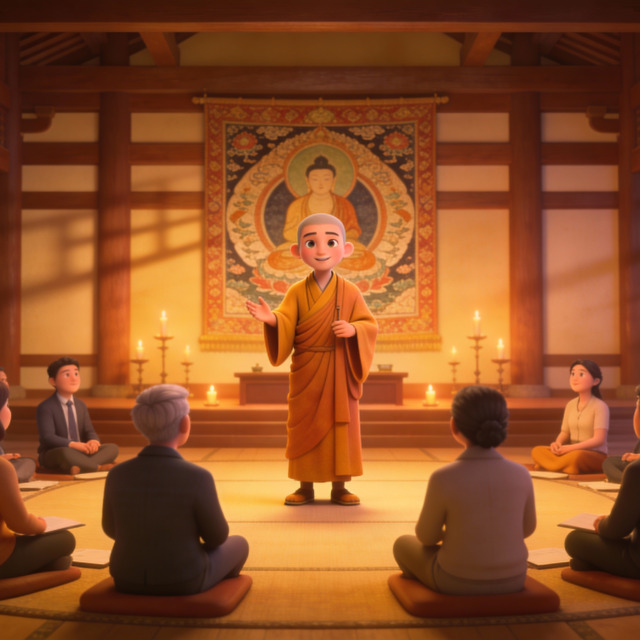
More than thirty years have passed since then. Now that I have become a monk myself, I have begun to teach Buddhism to children.
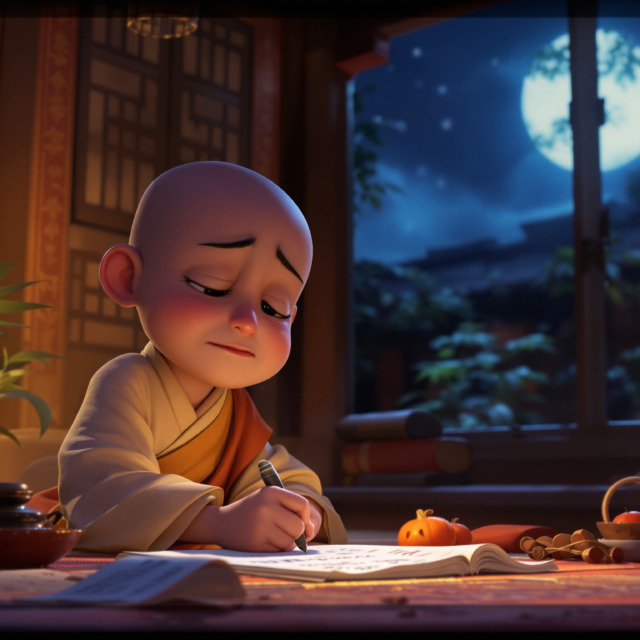
Whenever I tell children, “Please remember to be bright, righteous, and harmonious,” I secretly feel a pain deep in my heart. That is because I realize that I myself have not been able to keep the promise I made so firmly when I was small.
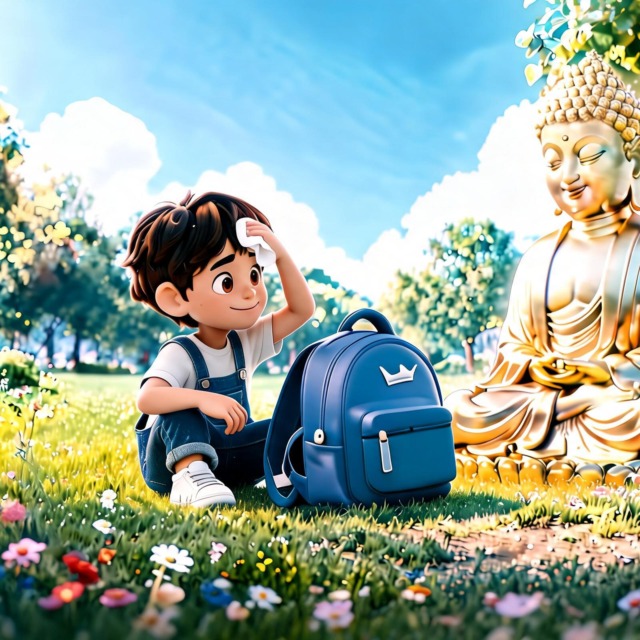
I wish I could always live “brightly,” like a clear blue sky, but there are many days when dark clouds hang over my heart.
I am often overcome by laziness, and I accumulate days when I cannot walk “righteously” and feel guilty.
When my heart has no room to spare, I cannot be considerate of others. There are also days when I cannot live “harmoniously.”
Together with the children, I feel as though I am learning the teaching of “brightly, righteously, and harmoniously” once again.
Living while cherishing treasures
In precise Buddhist terms, the Three Treasures are the Buddha, the Dharma, and the Sangha. We can understand the Three Treasures as follows: to be bright like the Buddha, to be righteous like the teachings of the Buddha, and for all who gather before the Buddha to live in harmony.
Long ago, Prince Shōtoku (574–622) stated in the Seventeen-Article Constitution, “Sincerely respect the Three Treasures.” “To be bright, to be righteous, and to be harmonious” is very easy to understand, but very difficult to truly practice. Perhaps that is why this teaching has been cherished for so long. And I believe that it will continue to be respected as treasure for many years to come.




No comments yet.